TrademarkExpertWitness

Scott Steinberg · Consultant, Analyst and Business Strategist

Trademark Expert Witness Services: Brands and Marks

Trademark cases are generally decided on how a mark behaves in a market: who encounters it, in what context, alongside what else, and with how much time to think. A consultant to 3000+ brands, Scott Steinberg has spent over 25 years advising the companies that build and defend brands, and testifies on marketplace reality rather than abstraction.

Expert reports, declarations, deposition and trial testimony on topics like likelihood of confusion, brand strength, genericness, dilution, trade dress and licensing practice.

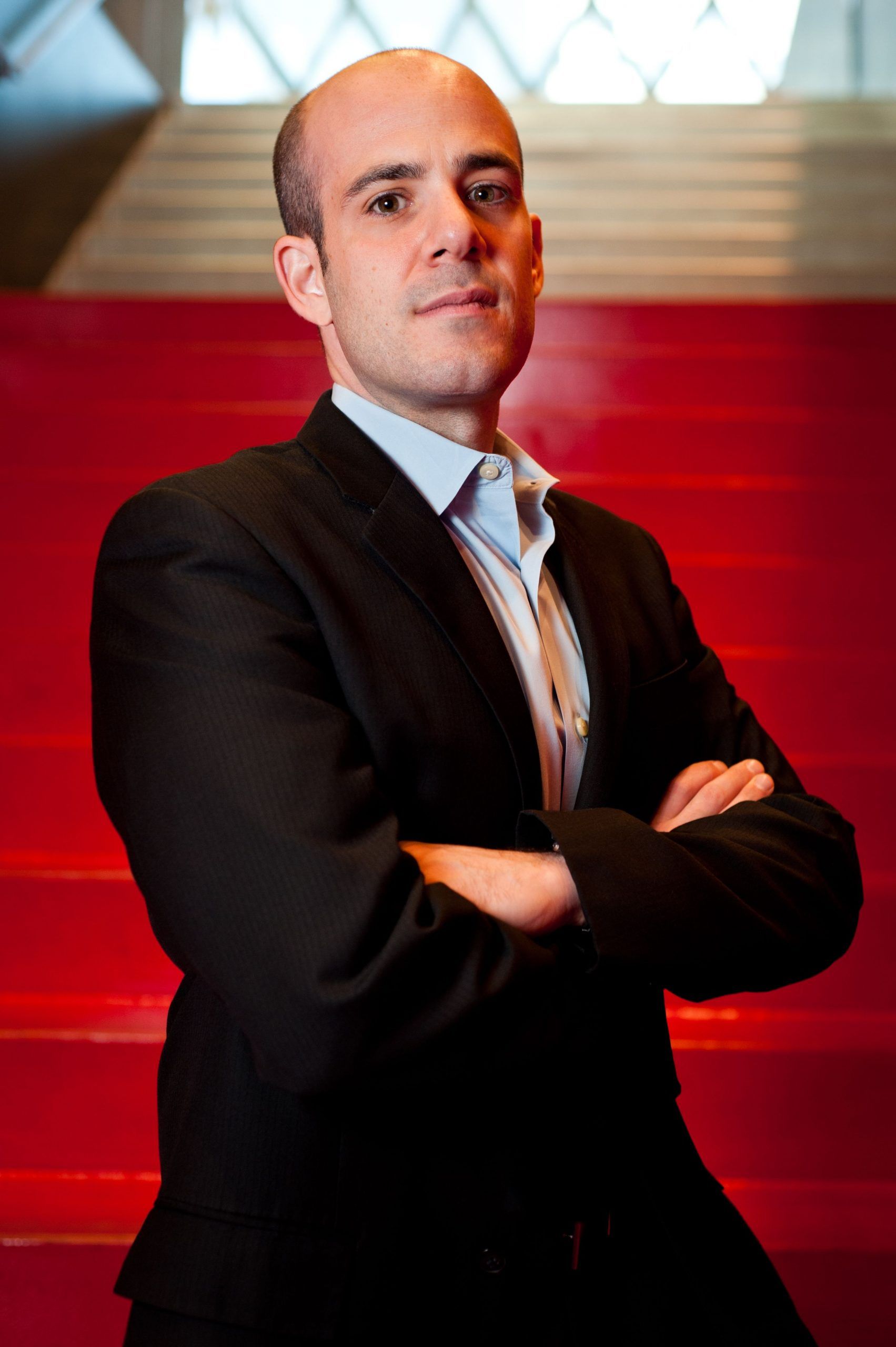
Scott Steinberg, trademark expert witness and brand strategist
Scott Steinberg — trademark expert witness, analyst and brand strategist
3,000+
Businesses, startups, governments and Fortune 500 companies advised
25 years
Management, corporate governance and strategic consulting experience
30+
Books published on technology, marketing, business and innovation
5,000+
Published articles as seen in USA Today, CNN, ABC, NBC, TODAY Show

Trademark expert witness practice areas

Confusion, strength and dilution are all questions about consumers in a particular market at a particular moment. The areas below describe the commercial evidence each of them typically depends on.

Likelihood of confusion

Confusion happens somewhere specific: a shelf, a search results page, an app store listing, a trade show floor. Each of those compresses context differently and gives the buyer a different amount of time and information.

Testimony addresses the actual purchasing environment, the sophistication of the buyer in that category, the channels the parties share, and how the marks are encountered in practice rather than side by side on a page.

Brand strength and secondary meaning

Commercial strength is an evidentiary question: advertising expenditure and reach, unsolicited media coverage, length and exclusivity of use, market share, and recognition within the relevant consuming public.

Testimony assembles that record and puts it in category context, since what constitutes heavy promotion in one market is unremarkable in another.

Genericness and descriptiveness

Whether a term names a category or identifies a source is answered by how the term is actually used: by competitors, by the trade press, by consumers, and by the owner's own marketing.

Establishing that usage record across a defined period, and showing whether it shifted, is the substance of this work. Terms migrate in both directions, and the date matters.

Dilution and famous marks

Dilution claims require a threshold showing of fame in the general consuming public, which is a far higher bar than niche strength and is measured with different evidence.

Testimony addresses reach and recognition beyond the immediate category, and whether the accused use plausibly blurs the association or tarnishes it in a commercially meaningful way.

Trade dress and product configuration

Trade dress questions ask whether packaging, product shape or a retail environment functions as a source identifier or is instead driven by function, cost or category convention.

This requires evidence about what competitors in the category do, what the design choices accomplish practically, and whether consumers in that market read the look as a brand signal.

Keyword and search advertising

Bidding on a competitor's mark, using it in ad copy, or optimising for it in organic content raises confusion questions that depend on how the results page actually presents the parties.

Testimony addresses ad auction mechanics, labelling and disclosure on the results page, click behaviour in that vertical, and whether the presentation would leave an ordinary searcher unclear about source.

Brand licensing and co-branding

Licensing disputes involve quality control obligations, scope of permitted categories, naked licensing allegations, endorsement and sponsorship arrangements, and what a brand owner customarily polices.

Testimony establishes normal practice in the category: what control licensors typically exercise, how royalty structures are built, and whether the arrangement at issue departed from convention.

Survey design and interpretation

Where a confusion or recognition survey is in play, its universe definition, stimulus design, control condition and mode of administration determine how much weight it can carry.

This work often involves assessing whether the survey modelled the real purchasing environment, or a laboratory version of it that the market does not resemble.

How engagements are structured

Brand matters often turn on evidence that has to be captured early, since marketplace conditions and online presentations change continuously.

Expert reports and declarations

Written opinions on marketplace conditions, brand strength evidence, category usage and licensing practice.

Deposition and trial testimony

Testimony on how consumers actually encounter the marks and what the category treats as convention.

Survey and rebuttal review

Assessment of whether a confusion or recognition survey modelled real purchasing conditions.

Consulting-only support

Non-testifying review of usage records, advertising history and competitive landscape evidence.

Biography

Scott Steinberg not only teaches masterclasses on topics like branding, marketing and advertising. He is an analyst, consultant and business trends expert with over 25 years of experience providing management and strategic consulting services to more than 3,000 businesses and brands ranging from startups to government agencies and Fortune 500 firms.

He has testified in sample areas including intellectual property — copyrights, trademarks and patents — patent infringement, marketing, branding, video games, mobile applications, consumer product development, and the growth and monetization of online distribution platforms.

He is the author of over 30 books and has published more than five thousand articles addressing areas including but not limited to marketing, technology, leadership, innovation, advertising, digital transformation, data privacy and social networks. He appears regularly on ABC, CBS, CNN and NBC, and has led seminars and training programs for organizations including Wells Fargo, the PGA Tour, Century 21, Ford, Dell and Procter & Gamble.

His consulting work has been broadly recognized. He has served as a thought leader for the American Bar Association and Corporate Counsel magazine, and has received honors from the International Association for Scholastic Excellence, Fortune, and the 21st Century Icon Awards, among others.
Common questions from counsel

What is a trademark expert witness?

A trademark expert witness is a testifying consultant who supplies marketplace evidence in brand disputes: how and where consumers encounter the marks, how strong the brand is commercially, what competitors in the category do, and what licensing or usage practice is customary. The role produces a written report, followed by deposition and, where a matter reaches trial, testimony.

Does a trademark expert decide whether confusion exists?

No. Likelihood of confusion is for the court or jury. An expert addresses the factual inputs: the channels of trade, the purchasing conditions, buyer sophistication in that category, the commercial strength of the mark, and how the marks are actually presented to consumers.

Is a consumer survey always necessary?

No, and a weak survey can be worse than none. Surveys are one form of evidence alongside marketplace analysis, usage records, advertising and recognition data, and evidence of actual confusion. Where a survey exists, its universe, stimulus and controls determine how much weight it can bear.

What evidence supports a brand strength opinion?

Advertising expenditure and reach, length and exclusivity of use, unsolicited press coverage, market share, distribution breadth, and recognition data. Each has to be read in category context, since the same spend means very different things in different markets.

Can an expert be retained without testifying?

Yes. Consulting-only engagements cover case assessment, marketplace background for counsel, review of usage and advertising records, deposition question preparation and critique of an opposing expert's survey or methodology, without a disclosed report or testimony.

Discuss a matter

Initial conversations about scope, timing and conflicts are without charge. Helpful detail includes the marks at issue, the channels where they meet, and any expert disclosure deadline already set.

Telephone
Availability
Engagements accepted nationwide and internationally

Before you send case detail

A conflicts check is run before any substantive discussion. An initial note listing the party names and a one-line description of the dispute is enough to start; please hold privileged or confidential material until the check clears.